ekottomagazine
NO. 53 - AGOSTO 2026

Cultural Magazine - Revista Cultural
TABLE OF CONTENTS
Maityi - August
Bisila 2026
Bioko and the Diaspora
The Details
Chicky Bösari
Carlos Bolete Lobete
Culture, Society, Plus More


ekottomagazine.com
Ë KOTTÒ, is a magazine of the cultural field in all its disciplines.
We are committed to bringing culture closer to our readers. Our goal is to give visibility to sectors that lack this opportunity of presence in large media platforms.
Our publications will be monthly and will focus on four basic sections and four complementary sections.
EDITORIAL, INFORMATION, INTERVIEWS, ACTIVITIES.
1. EDITORIAL: A general account of a specific topic in each edition.
2. INFORMATION: Its content will be based on learning about our guests' backgrounds, or what could be called their résumés.
3. INTERVIEW. Focused on the professional sphere.
4. ACTIVITY: Focused on our guest's current activities.
OPINION
It is a section for sociocultural opinion articles.
SOKKÒ
It is a section with a variety of socio-cultural news.
POET'S BLOG
A section for poetry and poems.
EMPLUSTV
Ekotto magazine channel on YouTube.
Culture, society, plus more.
With the magazine Ë KOTTÓ, we will bring culture a little closer to our homes.
Editorial
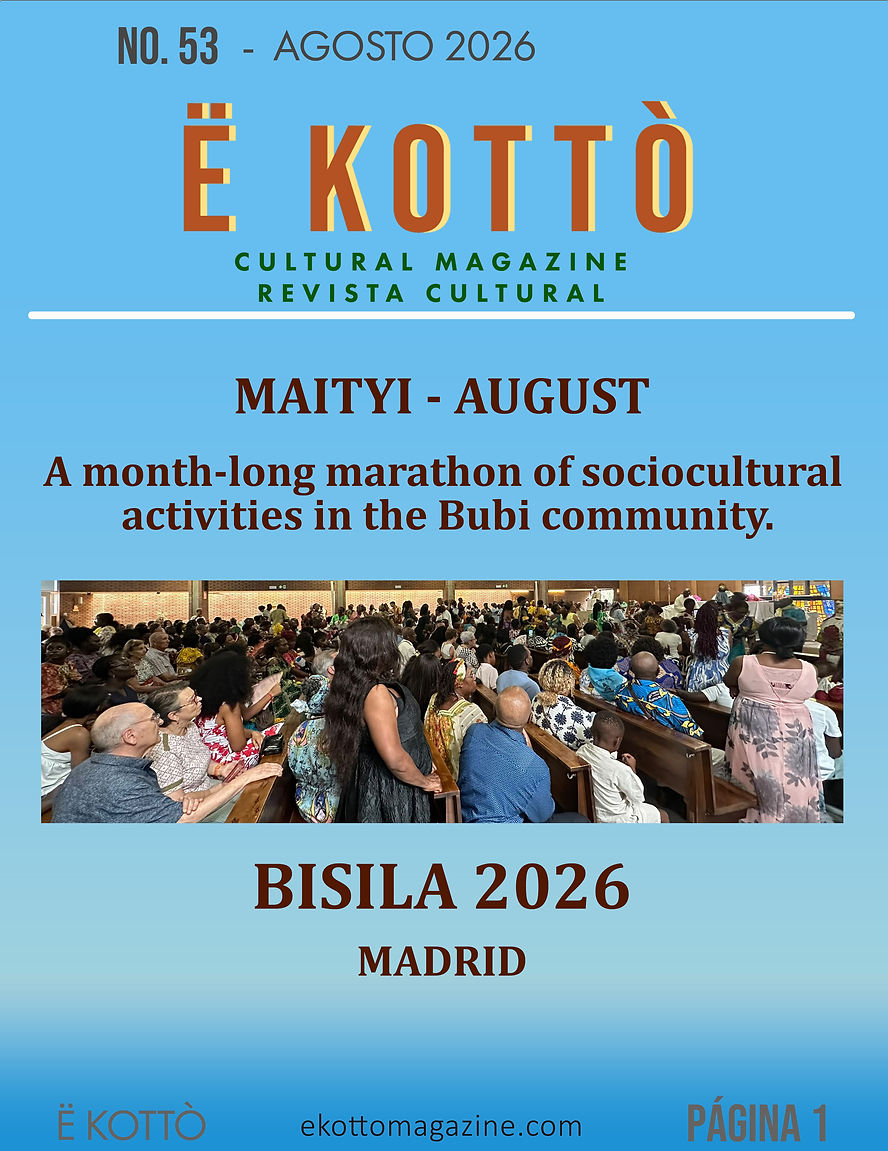
MAITYI – AUGUST
A month-long marathon of sociocultural activities in the Bubi community.
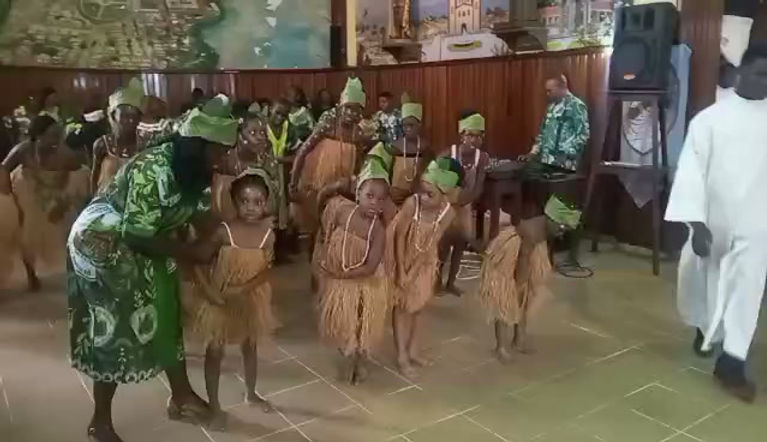
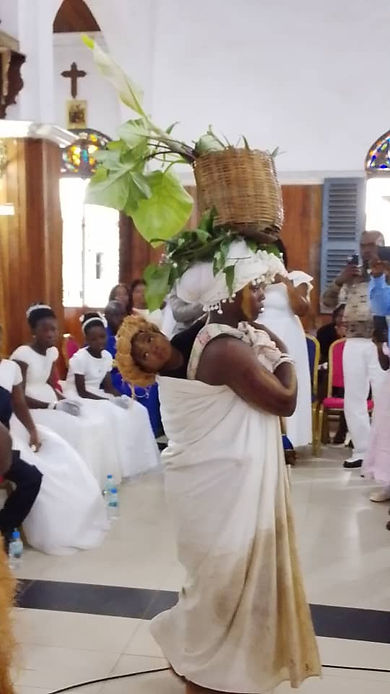
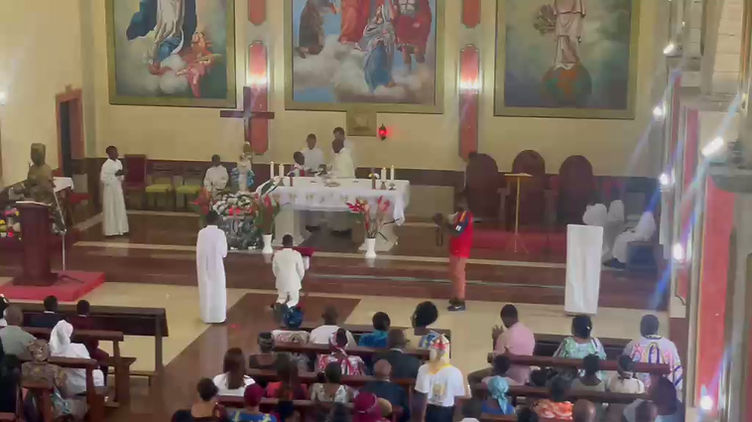
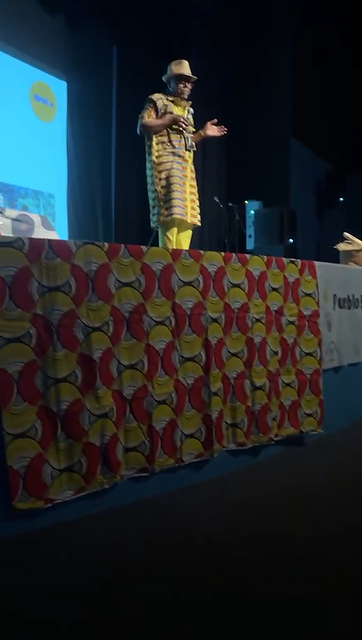
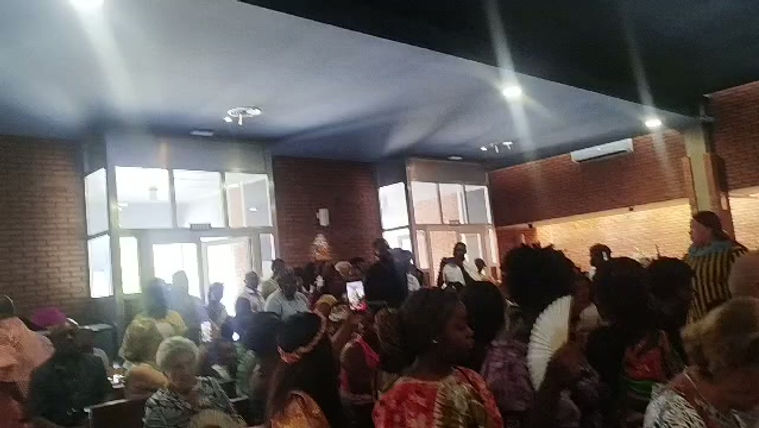
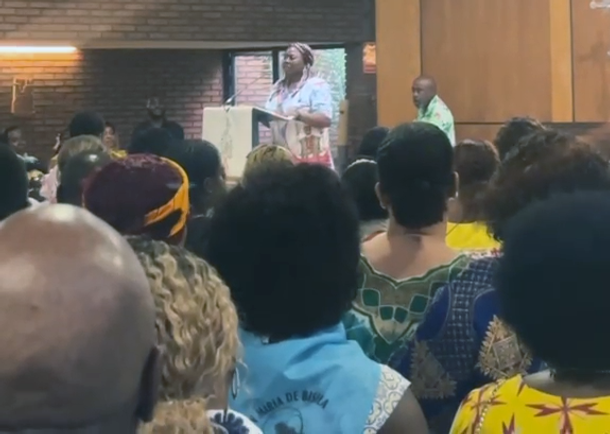
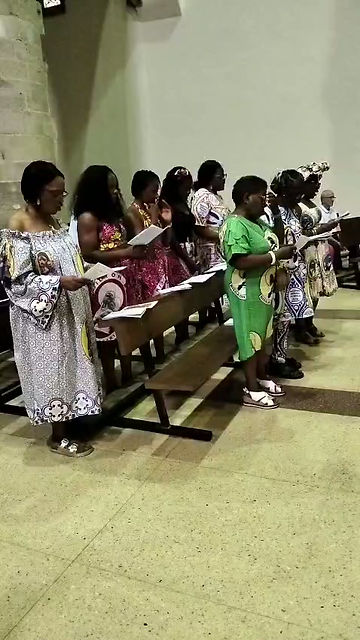
It is a month packed with activities, ranging from the youth festivities in the villages of Bioko to those of the Bubi diaspora.
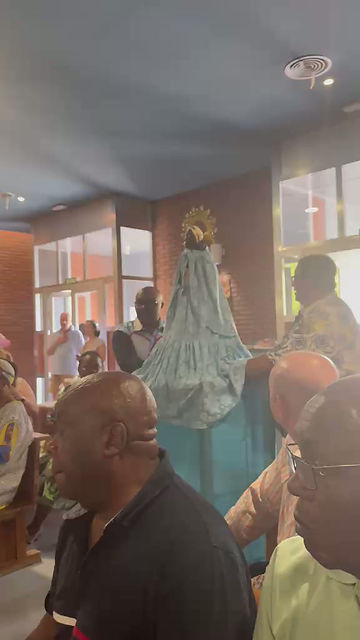
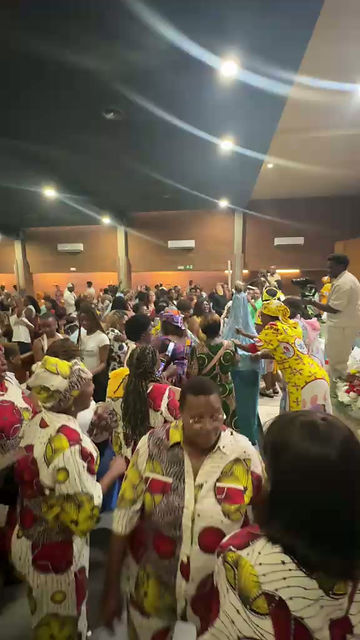
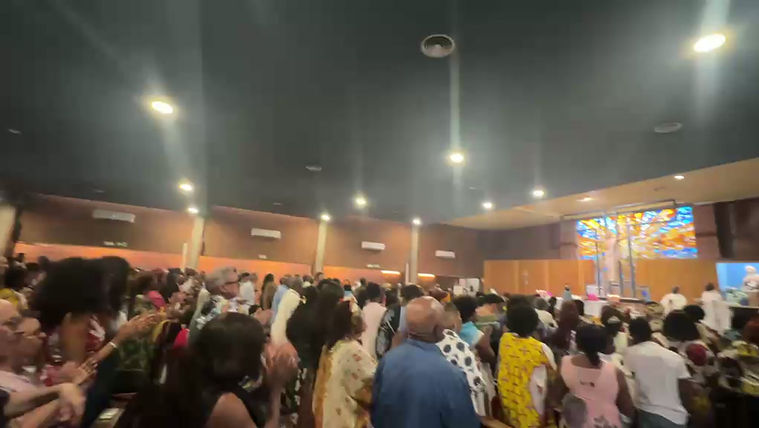
Ölöita luè Ësèsèpè usually serves as the kickoff event, and later, when the big day arrives, the images typically reflect the sentiments of the people.
Bisila Day is more than just a specific date, day, or month. Rather, the day and the month simply constitute a necessary celebration, rooted in history.
The figure of Bisila and everything she represents go beyond a single faith, the archdiocese that represents her, or the colorful flags.
Bisila is life, identity, a culture of resistance, a sense of belonging, and the history of a people. And this people is called the BUBI people.
Bisila Esa’á is also love, fertility, solidarity, sharing, and universality.
Bisila is the mother who gave us life; she gave us a mother tongue that we cannot let die out. Spiritually, she is the voice that speaks as she silently watches over and protects us from the heights of ÖBAASÁ, the peak of Malabo or Basile.
Can you imagine a social, cultural, and religious celebration without hearing the cry of the Yeiyeba, a song in the Bubi language, a bell ringing to the rhythm of the Bölëbó, or a percussive, rhythmic beat that echoes our identity?
It would be the end of a people’s history.
Story
BISILA
The Background.
It was 1987 when, through the Papal Bull “Convenienter Matris,” Pope John Paul II canonized Bisila—the most emblematic female figure in Bubi culture—as a saint of the Catholic Church. With that decision, we Bubis were drawn into the history of Catholic Christianity with a very special distinction: that of being the custodians of the first genuine Marian devotion on the entire African continent. In other words, we have the distinction of being the first people—among the thousands that exist on the African continent, all of whom have been part of a Christianity that is also millennia old—to have a deity recognized by the Vatican.

As expected, beginning with the first celebration on August 15, 1987, the veneration of Bisila from this new Catholic perspective transformed this mythical figure of our cosmogony into a decisive factor in a renewed Bubi convergence toward greater Christian piety. And this was so because behind this novel development—which surprised locals and outsiders alike—lay the work of certain Bubi priests, such as Reverend Father Eugenio Eteo and others, who took it upon themselves to spur and encourage the fervor of the congregation, creating various brotherhoods on the island of Bioko with the mission of keeping alive the flame of that iconic symbol of our culture within Catholicism.
Bisila: An Opportunity for Creativity.
Some of these brotherhoods, formed on the fly to revitalize the veneration of the Great Mother, encountered a significant void. There were no specific references to the newly recognized figure of Maria Bisila. Theoretically and practically, ours was just one of many Marian devotions resulting from the decisions of the Holy See; but in this case, we were dealing with an African, Black, and Bubi Virgin. And that void highlighted the urgent need to create our own religious repertoire, specifically focused on the figure of the Virgin—that is, on Bisila as a Catholic Christian religious phenomenon.
It was precisely this collective urgency that mobilized, as had rarely been seen before, a very significant portion of the Bubi community. For on the agenda was not only the urgency of putting together a devotional book with prayers specifically designed for the occasion, but also that of creating a repertoire of songs and other performances in keeping with the new reality—a task that required the collaboration of talents from multiple disciplines. Thus, this challenge brought together theologians, artists, composers, the accumulated wisdom of the elders, philosophers, troubadours, philologists, and experts in the native language, among others, to collectively shape a very important part of the current interdisciplinary body of knowledge on María Bisila.
Activity
BIOKO




DIASPORA








OPINION
NTÁ BËTYUBO
The Details
Sometimes it seems to go unnoticed, but it’s becoming increasingly difficult to find a generational transition in our society. I’d like to understand the reasons behind this, but I’ve searched for them many times and can’t find them.
If we look at the arts, we find that there is a growing void among the younger generations within our artistic and cultural sphere. Let me explain: at all our festive celebrations—especially during the highlights that define our identity—the works we hear are, for the most part, by artists with well-established careers in our community.
I’m not saying this is a bad thing. On the contrary, recognizing and valuing those who have built our culture is necessary. But, for me, it’s also a sign that should make us reflect as a society, especially if we want to move forward. Because what begins must one day come to an end; that’s a fact of life. And if new talents don’t emerge to make that transition possible, sooner or later we’ll find ourselves facing a situation that’s difficult to reverse.
I want to make it clear that it is not my intention to dictate anyone’s professional path, but rather to take a long-term view and think about the collective good. There is plenty of talent among the younger generations, but when it comes to defending and preserving our artistic identity, very few choose that path. Most opt for more universal genres, and they have every right to do so. However, in our popular celebrations and in those events that represent our identity, we may eventually face a shortage that we still have time to avoid today.
Amid these observations, I’m also struck by what’s happening with our social organizations. Generational renewal is becoming increasingly difficult, both in the cultural and religious spheres. We’ve been seeing the same faces for decades. I’d like to understand the reason behind this situation, but, honestly, I can’t seem to figure it out.
Now that this issue has come to light, I believe it’s increasingly necessary to seek alternatives that can alleviate this stagnation—if we truly want to ensure the survival of values, traditions, and an identity that invite us all to engage in deep reflection.
A society with no guarantee of a future is a society that, sooner or later, may be relegated to irrelevance. Passing the torch should not be seen as a threat to who we are, but rather as an opportunity to ensure that what we have built can continue to live on in future generations.
NTÁ BËTYUBO
SOKKÒ
TIMELY NEWS

Poets Blog
ËBARI LË ÁTTO*
Na halló ë bisóppí biè ërubba bí pérö booba habba hellá hè *Iobotyobotyo* na ë työkkó ë tyí há séttaèlla.
I búbbú ya ítyí ë bëḿpo biáö, ë itóhi rí a tyátyöri a bańtanta bá batté, ëá ba sèro o hèya.
Ërubba è ëbari ë la béëla i kólla, ë áttë ënné ë työkkó kè ëhuèhuè è billó immá.
Na halló, lèllo, há la hḾmèlla ribötyö rihè, habba hellá ha la ríöbba relá.
Hè habba na ë rihólè ri ókkama a bahuèe.
Hè habba hellá, ë ribolló bötéllo, há la áttëa bihuto, há la akkó bësörí la binëkánëkka, na bi tyáa öppá’a ká bí la huëa.
Ëtyé ë ribötyö rá ömma ri la papèlla'ë, káhò ette ri la sétella há rá bötyö wellá.
Ë ripë’u ri la mpölla rè, i nö’ó lë bisalóle, la la työtyóbia ö tösòpísòpi tö la tyiálla tö ë télle bötèllo.
Ë bëtyíö bí la sáalló billakó,
kóri ötyòma bí tyá síbba télle ná iláppu la wera ë bësekka biá betyö.
Ë bilabba biè úwèró a labbé: a baiè tyía ókkia sibèllö samuáe sí pusálle la bòllá. Ë bétyibi lë birikiriki bi bá úberi ë rihólè rá bòllá bábbò. Ëmmai a baíssö bëllé!
Ë billó bí la úkuba kasökasö.
I nokkò ná yè la lëkèlla ba
a bëtyö la púplla o hutya ö löréi, ë ripé’ám ri ta beí hábba wá’é, tyálla tyóo tótora obbó, Tyá sóttë ë bihóttö bí hétte.
Ë riökkö rí húbièria abëtyö,
ë biátto bí hétyió kua yá bëkotto.
Ë ibarityiö, ë ëhuéhué ë po hétyölla sótte ë biúhá bi lépeya biè i nabba yáó attá.
Ë bësotyi biè itóhi bi la pélla ö tókkó tö booba.
Hè amma bá la rá i hḾmè yá batyílé babbò, hé bellá bá la hútta ë ibekké biábo, bá la mpura ë biéllá biábo, bá háam *bëlokko biè ëkura*.
*(Lösöbbé) Bolete Lobete*
If here the dewdrops water the earth, there is a place where the *desert* and the drought never end.
Dust invades our nostrils; the sun completely dries out the leaves on the trees.
The morning dew heralds the rains; the drought heralds the heat of each day.
If here, today, new life sprouts, elsewhere another fades away.
There is a place where love unites families.
There is another place where hatred breaks the bonds; ropes are braided with vines—those that will soon be untied.
Where one’s life begins, another’s ends.
The sprouting shoot, the banana groves, and the malanga plants absorb the sap they find in their path.
Some work at night because the night never obstructs the way if light illuminates the path of mortals.
Good deeds have turned bad: parents are so agitated they have no time for their children. Hard work and social media have robbed them of their children’s love. Woe to their wives!
The days grow dark quickly.
While their eyes slumber, men learn to rise early in search of bread; though the reward is not enough, the goal is to satisfy their hunger—until the hours pass.
Joy has faded from their faces; the afternoons are draped in mourning.
In the mornings, the heat can strip bare even the bones that rest beneath our skin.
The sun’s rays reach the earth’s core.
Some feed on the sweat of their ancestors; others prop themselves up on their elbows, filling their stomachs—they resemble *slaves to drink.*
*Carlos Bolete Lobete*
*Lösöbé*
EmplusTV
Ë KOTTÒ
Publisher
Diversity Ëtyö Project
Magazine Director
Barbara May
Editor in Chief
Tomás May Pelico
Designer
Böhulá
Colaboration
Eduardo May Mata
ISSN 2833-4124
© 2026
All rights reserved.
May not be reproduced without the written permission of Ë KOTTÒ.
Contact